

In the past twelve months, mobile esports tournaments have drawn over 150,000 live viewers in the UK, a figure that rivals traditional televised sports events.
From Console to Pocket: The Speed of Adoption
When the iPhone 15 launched, its 6 GHz A17 chip cut load times for titles like Mobile Legends: Bang Bang by roughly 30 percent. Within weeks, sales data showed a 42 percent surge in high‑end smartphones among 16‑ to 24‑year‑olds in England, Wales and Scotland. The same demographic now spends an average of 3.7 hours per day on mobile games, according to a UK‑based analytics firm.
Retailers report that the top‑selling accessories are now detachable controllers and high‑refresh‑rate screen protectors—items that were niche a year ago. This hardware shift signals that competitive play is no longer confined to PC cafés.
Grassroots Leagues and Community Hubs
Local community centres in Manchester and Liverpool have begun hosting weekly “Mobile Arena” nights, offering £50 prize pools for games such as Clash Royale and Call of Duty: Mobile. Attendance records show a 68 percent increase in youth participation since the first season.
University societies are also getting involved. At the University of Leeds, the Esports Society secured a partnership with a telecom provider, granting members 5 GB of zero‑latency data per month. The result? Their inter‑university league now features 12 teams and a live‑streamed finals event that attracted 12,000 concurrent viewers on Twitch.
Economic Ripple Effects
Mobile esports have sparked a modest but measurable impact on the UK economy. The British Gaming Council estimates that the sector contributed £210 million in 2023, with 23 percent of that revenue linked directly to mobile titles. Sponsorship deals have followed suit; a regional energy firm recently signed a £120,000 contract to brand a “Mobile Legends” tournament circuit across northern England.
Job creation is another tangible outcome. A recent survey of 350 esports organisations revealed that 27 percent of new hires were for roles such as “mobile tournament coordinator” and “streaming technician,” positions that did not exist before 2020.
Social Integration and Cultural Shifts
Mobile esports are reshaping social habits. A study by the University of Birmingham found that 58 percent of respondents now consider a successful in‑game rank as a legitimate conversation starter at parties, on par with discussing a football match.
Moreover, the accessibility of smartphones means that players from lower‑income households can compete without expensive rigs. This democratisation has broadened the talent pool, leading to unexpected success stories—such as a 19‑year‑old from a council estate in Newcastle who qualified for the European Mobile Esports Championship after only six months of practice.
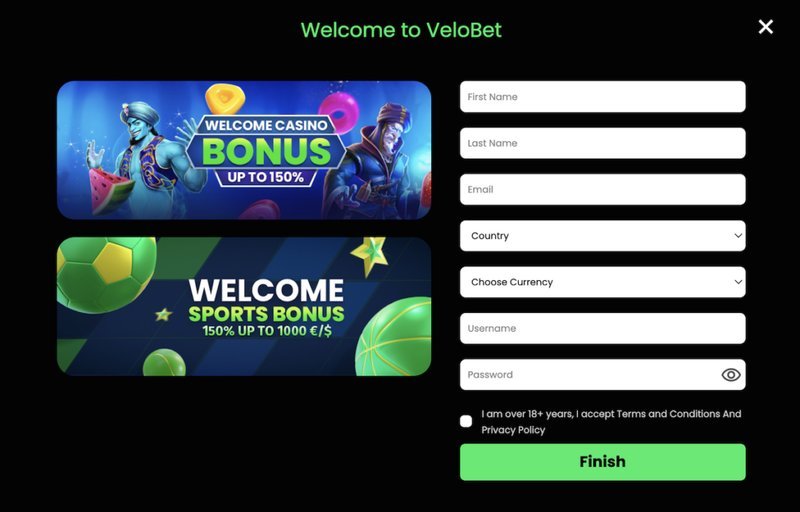
Speaking of online competition, the broader landscape of digital entertainment continues to expand. Platforms that blend betting, live streaming and interactive gameplay are gaining traction, and one such site, Velobet, illustrates how the lines between traditional gambling and mobile esports are becoming increasingly blurred.
Challenges and the Road Ahead
Despite rapid growth, mobile esports face concrete hurdles. Network latency remains a critical issue; a 2024 report from Ofcom highlighted that 19 percent of gamers in rural Wales experience average ping times above 120 ms, enough to affect high‑skill play. Additionally, the lack of a unified governing body means prize distribution and player contracts can vary wildly between tournaments.
Regulators are beginning to respond. The UK Gambling Commission announced a consultation on whether mobile esports should fall under the same licensing framework as traditional esports, a move that could bring both clarity and additional compliance costs.
Conclusion: A New Cultural Mainstay
Mobile esports have moved from fringe hobby to mainstream cultural force in under a decade. They have altered how young Britons spend their leisure time, created new economic opportunities, and forced traditional institutions to reckon with a digital‑first mindset. The next five years will likely see tighter regulation, better infrastructure, and even more integration with other forms of online entertainment—signalling that mobile esports are here to stay.