

Ten years ago the average UK household still kept a spare TV in the living‑room for the occasional console session. Today, a single broadband router can stream a 4K title to a laptop, a phone, or even a smart TV, without any disc or download. The shift didn’t happen overnight; it began when services like PlayStation Now and Google Stadia announced that a game could live on a remote server and be delivered as a video stream. The first concrete sign that the model could work was the 2020 launch of Xbox Cloud Gaming (formerly Project xCloud), which offered over 100 titles at launch and a latency of around 30 ms on a 100 Mbps fibre line – fast enough for most fast‑action games.
Bandwidth and Latency: The Real‑World Limits
For a UK gamer, the most common bottleneck is still the speed of the home internet connection. Of the 12 million broadband subscriptions in England, roughly 70 % have speeds of at least 50 Mbps, which is the minimum recommended by most cloud providers. In practice, a 20 Mbps connection can handle 1080p at 60 fps, while 35 Mbps is needed for 4K. Latency is another factor: the average round‑trip time from London to a West‑Europe data centre sits at 18 ms, but it can spike to 50 ms during peak evening hours. Those spikes translate into occasional frame drops, which are most noticeable in competitive shooters.
Hardware Savings: What You Actually Stop Buying
Before cloud gaming, a mid‑range PC capable of 1080p 60 fps cost around £800, and a next‑gen console was about £500. With a subscription of £9.99 per month, you can now run the same library on a £200 laptop or a cheap Android tablet. The savings become clearer when you factor in the lifespan of the hardware: a console typically receives updates for five years, after which you need a new device. Cloud services refresh their server farms every 12‑18 months, meaning the user never upgrades the physical machine.
Game Libraries and Regional Availability
UK gamers have access to roughly 1,200 titles across the major cloud platforms, ranging from indie gems like Hades to AAA blockbusters such as Assassin’s Creed Valhalla. However, not every game is available due to licensing restrictions. For example, a popular sports title may be missing because the publisher only granted rights to a local broadcaster. This means you still need to check the catalogue before committing to a subscription, especially if you’re after niche genres like visual novels or retro arcade collections.
Cost Comparison: Subscription vs. Ownership
If you play 20 different games a year and spend an average of £30 on each physical copy, you’ll spend £600. A cloud gaming subscription at £9.99 per month totals £120 annually, plus a one‑off £30 controller fee for those who prefer a dedicated gamepad. Even after adding occasional pay‑per‑play rentals (around £5 per title), the cloud route can be up to 70 % cheaper for a moderate player. Heavy gamers who purchase every new release may still find ownership cheaper in the long run, but the gap is narrowing as more titles become part of the subscription pool.
Accessibility and Social Play
One of the most tangible benefits is the removal of hardware barriers for disabled players. Cloud platforms support adaptive controllers and offer built‑in voice commands that work across all streamed games. Moreover, the ability to join a multiplayer lobby from a phone while commuting means social gaming no longer requires a dedicated gaming night at home. The convenience has even encouraged families to share a single subscription, cutting costs further.
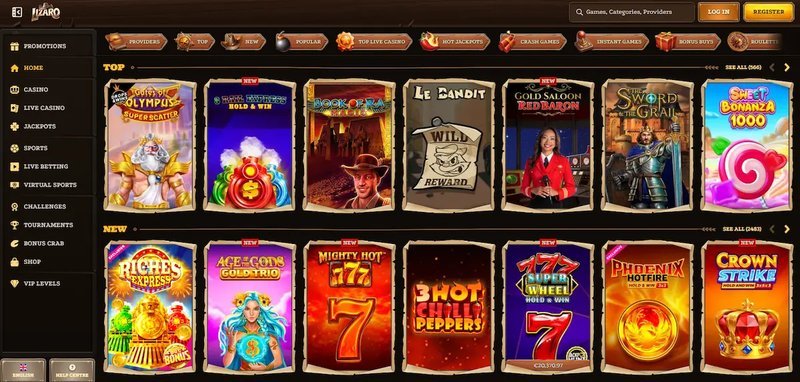
Speaking of shared experiences, many UK gamers also enjoy the occasional online casino session as a change of pace. A quick glance at lizaro casino shows how the same streaming technology can deliver card games and slots directly to a browser, blurring the line between traditional gaming and broader entertainment.
Future Outlook: What to Expect in the Next Five Years
Looking ahead, the rollout of 5G across the UK promises to bring mobile latency down to under 10 ms, making cloud gaming viable on the move without a Wi‑Fi hotspot. Providers are already testing ray‑traced graphics on the cloud, which could make 4K HDR the default visual quality. At the same time, competition is driving prices down; some services are experimenting with ad‑supported tiers that cost as little as £4 per month. The biggest uncertainty remains the balance between data caps and unlimited streaming – a factor that will shape how often gamers can comfortably play.
Conclusion: A Practical Shift, Not a Complete Replacement
Cloud gaming is redefining play for UK gamers by cutting hardware costs, expanding accessibility, and offering flexible pricing. It isn’t a perfect substitute for owning a console or PC, especially for those who demand zero latency or want to keep a physical collection. Yet for the majority who play a mix of mainstream titles and value convenience, the cloud has become a credible, often cheaper, alternative. As broadband improves and more titles join the libraries, the cloud will likely move from a novelty to the default way many British gamers experience their favourite worlds.